Modern Shag Haircut with Layers: Top Low-Maintenance Trend
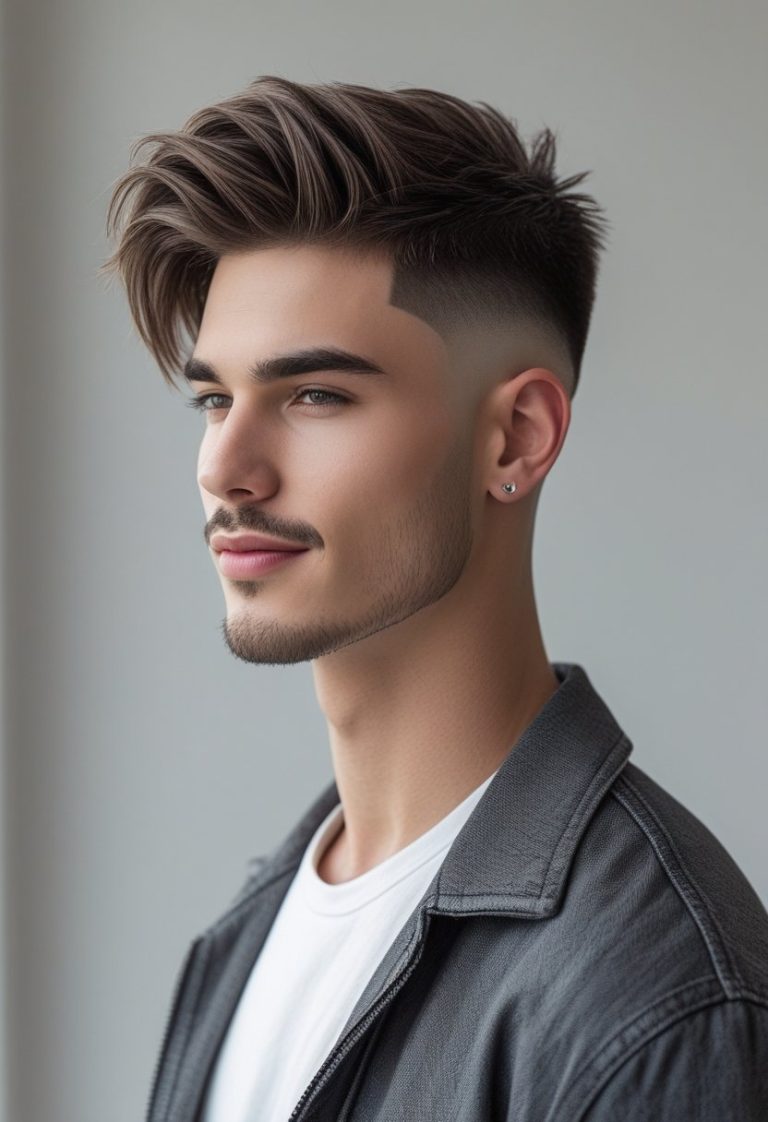
A modern shag cut with layered texture has become a top choice for men embracing longer hairstyles. This haircut features medium-length layers that add volume and natural movement, making it ideal for a low-maintenance, effortlessly cool look. Soft, feathered ends combined with face-framing layers strike a balance between a grunge-inspired edge and polished contemporary style.
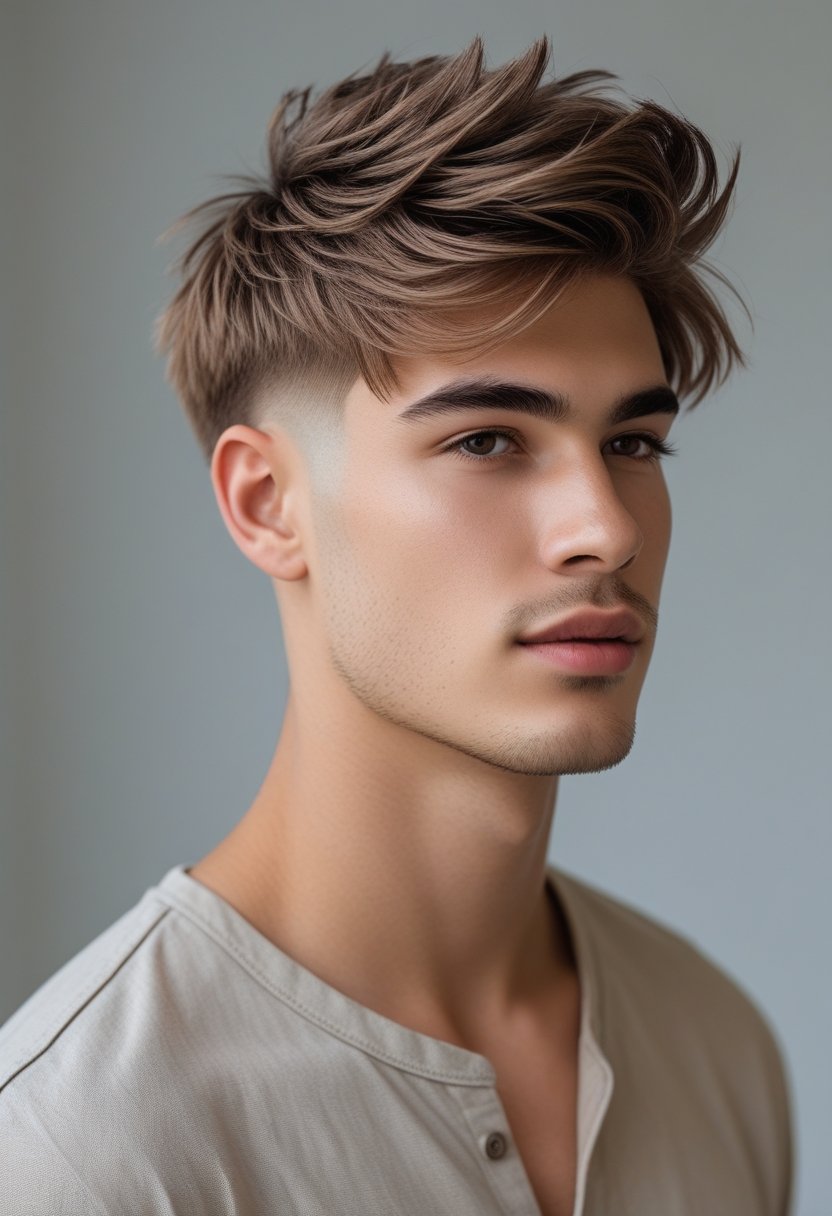
The slightly tousled finish gives the haircut a relaxed, rockstar vibe, while maintaining a natural flow and shine. It works especially well on straight to wavy hair and requires minimal styling, often only needing a bit of texturizing spray or sea salt mist to enhance its definition.
This shaggy style is versatile, appealing to those drawn to the indie sleaze trend or anyone seeking a haircut that looks good both fresh and grown out. Its blend of texture, volume, and ease makes it a practical yet stylish option for modern men.
What Is a Modern Shag Cut for Men?
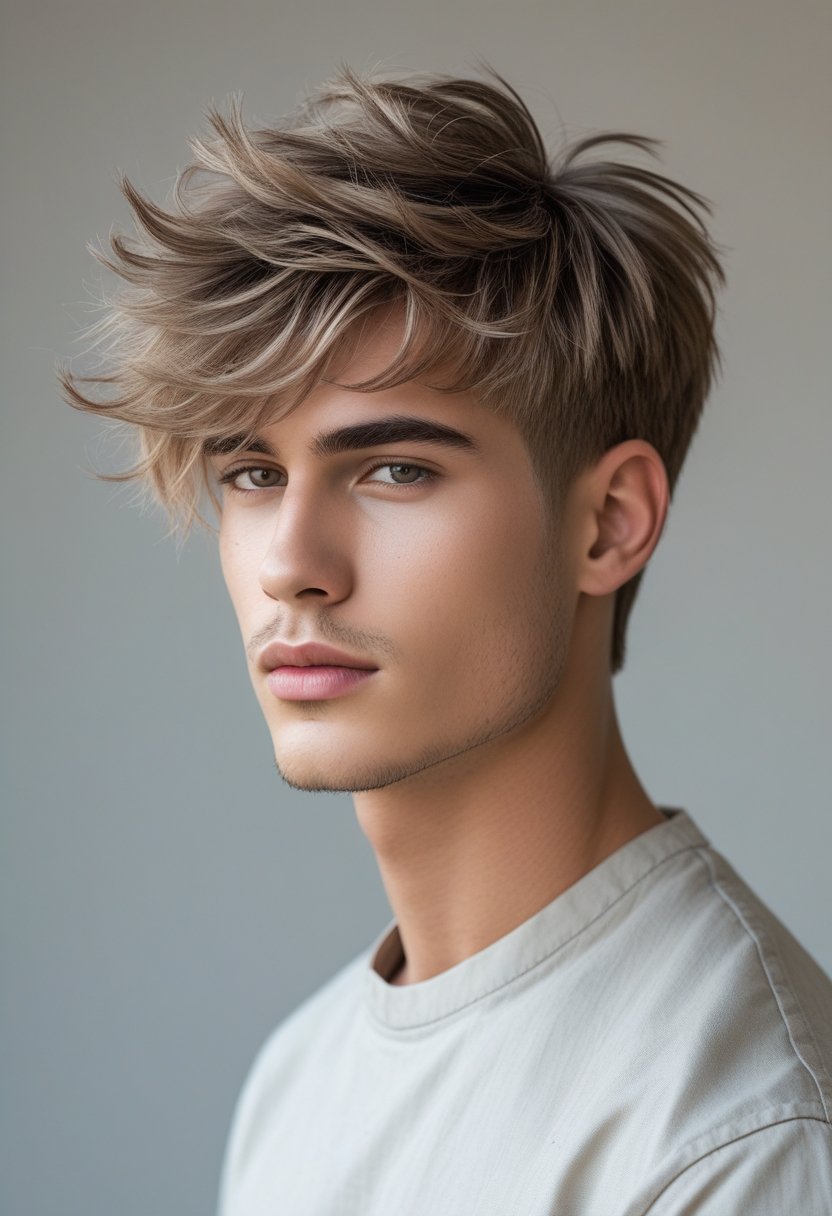
The modern shag cut is a layered hairstyle that blends texture, volume, and movement. It updates the classic shag with contemporary touches, making it adaptable for different hair types and lifestyles. This style is versatile, offering both effortless edge and a polished appearance suited for casual or professional settings.
Key Features of the Modern Shag
The modern shag haircut is defined by medium to long layers that create natural volume and texture. It often includes feathered ends and subtle face-framing layers, enhancing the hair’s movement. This cut is designed to look good with minimal styling, typically requiring only light products like texturizing spray or sea salt mist.
It works especially well on straight to wavy hair and can accommodate a slightly tousled or sleek finish. The balance of softness and structure gives it a relaxed yet refined feel, suitable for men seeking a low-maintenance yet stylish look.
Differences Between Classic and Modern Shag
The classic shag, rooted in the 1970s, features choppy, heavily layered hair with a more rebellious, unstructured vibe. It usually includes thick bangs or heavy fringe and a messier appearance. In contrast, the modern shag is cleaner and more controlled, with layers crafted to add volume without excessive bulk.
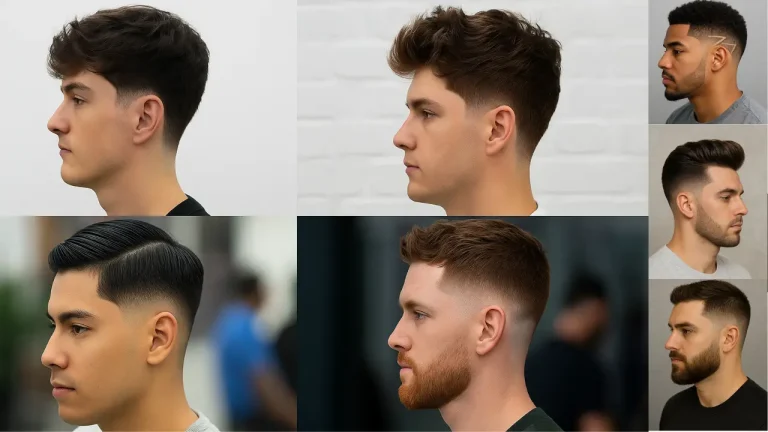
Modern versions often integrate fades or undercuts on the sides for a sharper outline, which the classic shag typically lacks. The updated silhouette allows more versatility, transitioning smoothly from casual to business-friendly looks, unlike the vintage, more casual focus of the classic shag.
Influence of 70s Shag on Today’s Styles
The 70s shag established the foundation for layered, textured haircuts that broke from traditional, controlled styles. It symbolized a carefree, rebellious aesthetic, widely embraced by rock stars and counterculture figures. This original shag inspired the modern cut’s emphasis on movement and layering.
Today’s shag keeps the spirit of that era but refines it with cleaner lines and varied textures. It adapts the classic shag’s signature layers to work with modern hair products and styling preferences, preserving its edgy roots while making it compatible with contemporary grooming standards.
Layering and Texture: The Core of the Shag

Layering and texture define the shag haircut’s distinctive style. These elements work together to create volume, movement, and a purposeful casual look. The way layers are cut—whether feathered, choppy, or face-framing—shapes the overall silhouette and enhances natural hair behavior.
How Textured Layers Create Volume and Movement
Textured layers are cut at varying lengths to prevent weight from pulling hair down. This technique allows air to flow through the hair, boosting natural lift and body. Layers starting higher on the crown add height, giving a thicker, fuller appearance even in finer hair types.
By breaking up solid sections, textured layers encourage hair to move freely and avoid stiffness. This movement is crucial for the shag’s signature tousled look. It emphasizes a relaxed, lived-in feel without requiring constant styling effort.
Feathered and Choppy Layer Techniques
Feathered layers are softly tapered, giving hair lightness at the ends and a smooth transition between lengths. This creates a natural flow where hair strands appear to blend seamlessly and gently frame the face.
In contrast, choppy layers are more distinct, with blunt or uneven cuts that add edgy texture and a rugged dimension. These often produce a more rebellious vibe and emphasize texture sharply, enhancing the shag’s bold attitude.
Both feathered and choppy techniques can be combined, crafting a layered cut that balances softness with definition, suitable for many hair types, including straight and wavy hair.
Face-Framing and Soft Ends Explained
Face-framing layers are cut to gently contour around the face, highlighting features without overwhelming them. These layers often start near the cheekbones or jawline and taper inward, creating a flattering shape that suits diverse face shapes.
Soft ends result from careful thinning or point-cutting at the tips of the hair strands. This technique removes blunt edges, reducing bulk and giving the hair a feather-light finish. Soft ends enhance the overall softness of the shag, avoiding a harsh outline while supporting natural hair flow.
Together, face-framing layers and soft ends refine the hairstyle, making it approachable and wearable daily with minimal styling.
Types and Variations of the Shag Haircut
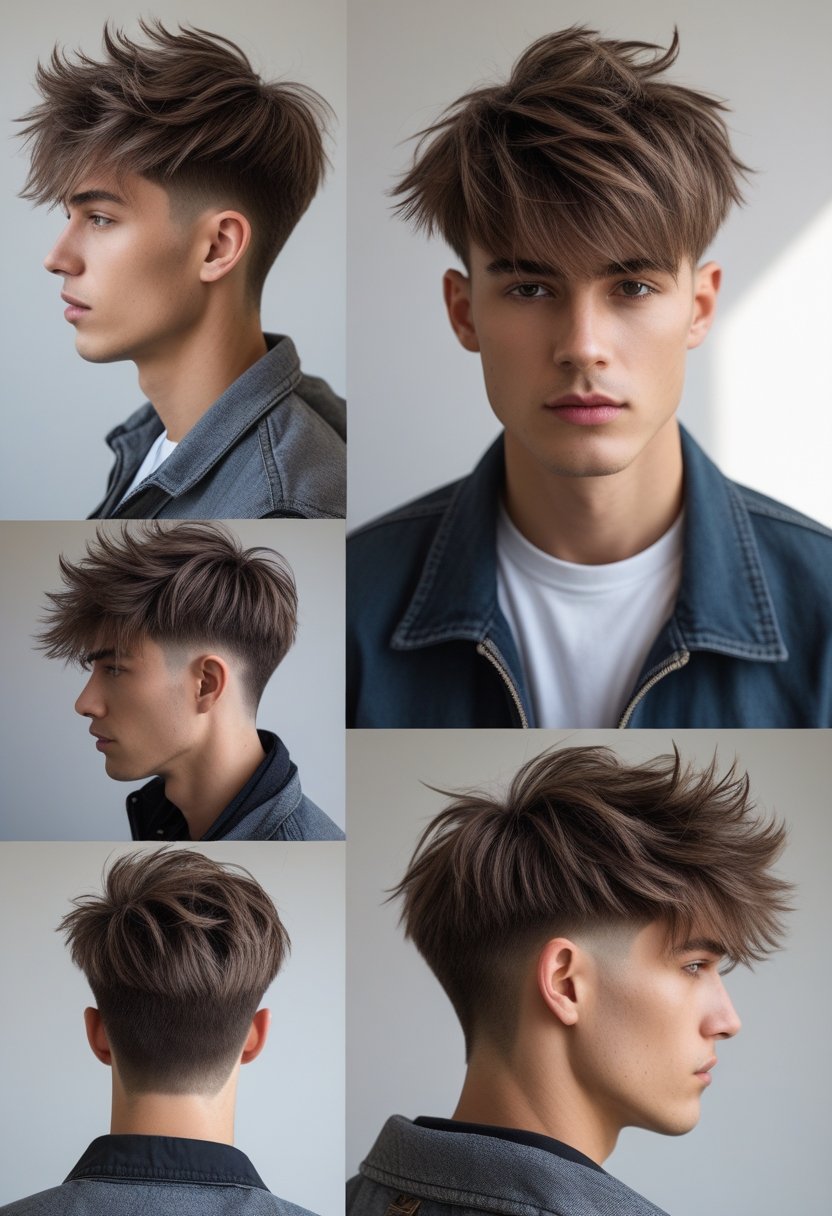
Shag haircuts come in various lengths and styles, each offering unique layering and texture options. These styles suit different hair types and preferences, ranging from edgy to soft looks with distinct finishing touches like bangs or feathered ends.
Medium Shag with Layers
The medium shag haircut features layered texture that falls around shoulder length. These layers add volume and movement while keeping maintenance low, making it a practical choice for many.
This style often incorporates feathered ends and subtle face-framing layers, which soften the overall appearance. It works well on straight to wavy hair, providing a natural flow with minimal styling effort.
Using products like texturizing spray can enhance the layers’ definition, keeping the look effortless yet intentional. The medium shag offers versatility, fitting both casual and slightly polished looks.
Long Shag Styles
Long shag haircuts extend past the shoulders and emphasize gradual layering that reduces bulk while preserving length. These cuts create natural volume and dimension for thicker or heavier hair types.
Long shags vary from soft, subtle layers to more choppy, defined edges, adapting well to different textures such as straight, wavy, or curly. The layers help keep hair light and movable, preventing a flat or weighed-down look.
This style suits those who prefer a relaxed vibe with ample styling options, from grown-out waves to tousled finishes. Long shags balance a retro feel with contemporary sophistication.
Short Shag and Shaggy Bob
Short shag haircuts typically hover around chin-length or slightly shorter, integrating heavily textured layers that boost volume and edge. The shaggy bob variation is a modern take combining the bob’s sleekness with shag’s layered movement.
These shorter cuts excel in creating a statement look with a grunge or rocker edge due to their choppy, uneven layers. They suit fine to medium hair well, enhancing natural texture and fullness.
Styling options include tousled finishes for added casual flair or smoother, more polished looks. Short shags and shaggy bobs cater to those seeking low-maintenance yet bold haircut choices.
Shag with Curtain or Blunt Bangs
Adding bangs to a shag haircut introduces new dimensions and framing options. Curtain bangs are soft, parted in the middle or slightly off-center, blending seamlessly into layered sides for a gentle, face-framing effect.
Blunt bangs provide a sharper, more defined contrast, cutting straight across the forehead and pairing well with shag layers to add structure and edge. Both styles can dramatically change the shag’s overall vibe.
Curtain bangs complement natural, tousled movement, working well with casual, lived-in textures. Blunt bangs suit those wanting a more distinct, polished finish while retaining shag’s signature layered look. These bangs are adaptable across hair lengths.
Adapting the Shag Cut to Different Hair Types
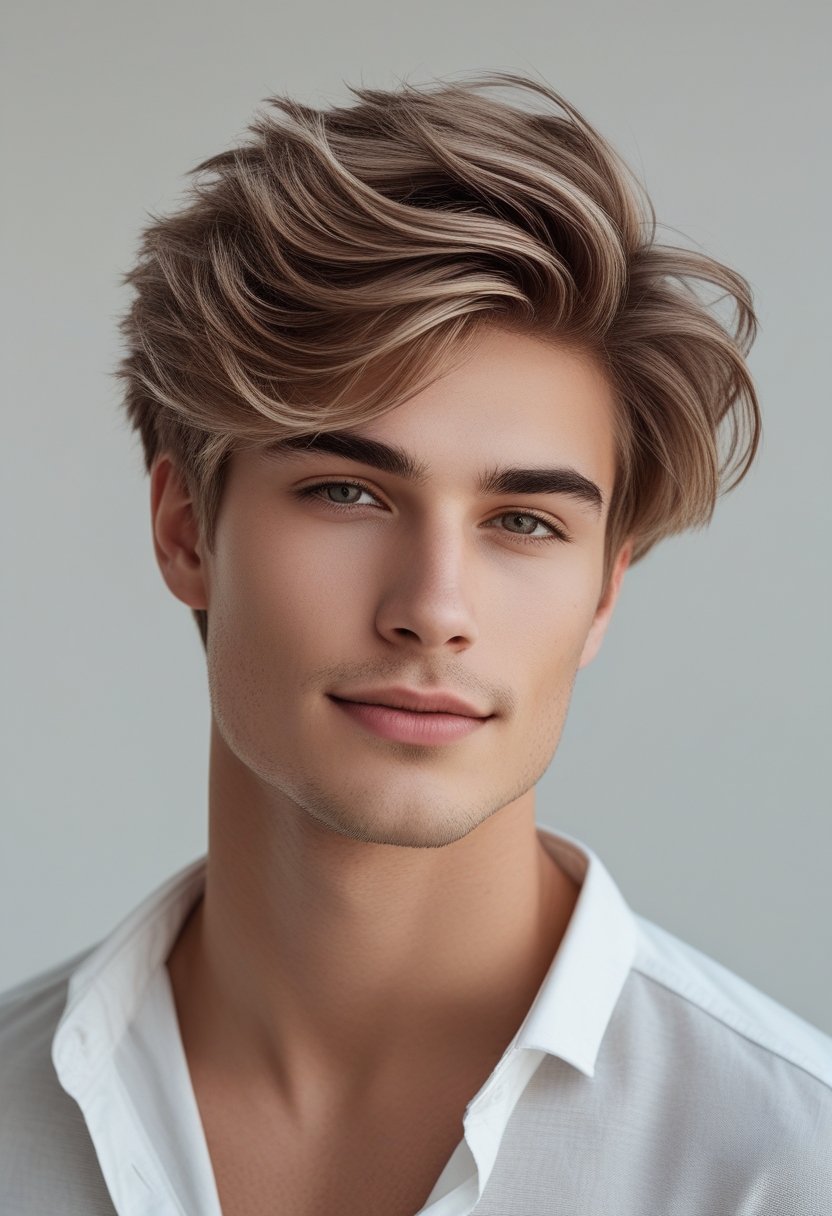
The shag cut can be tailored to suit various hair textures, offering distinct looks and styling options. Each hair type benefits from specific layering techniques and maintenance approaches to maximize volume, movement, and texture.
Shag Haircut for Straight and Wavy Hair
For straight and wavy hair, the shag typically involves medium to long layers that add volume without weighing the hair down. Gentle feathering at the ends creates natural movement and a soft, face-framing effect.
Wavy hair works well with tousled or slightly messy shags, as the natural waves bring a relaxed, effortless feel. Minimal styling products like light texturizing sprays or sea salt mist enhance definition and maintain the shape without stiffness.
The emphasis is on lightweight layers that prevent flatness, allowing the hair to flow freely while maintaining an updated, clean look ideal for everyday wear.
Curly Shag and Embracing Natural Curls
Curly hair can be shaped into a shag that celebrates natural volume and bounce. The key is to use longer layers to avoid excessive bulk and maintain curl shape.
Cutting in a way that respects the curl pattern prevents frizz and promotes a controlled, yet full-bodied silhouette. This approach highlights natural curls rather than fighting against them.
Styling often involves moisturizing creams or light gels to enhance definition and reduce flyaways. The curly shag can be both structured and playful, balancing natural texture with a modern edge.
Voluminous and Messy Interpretations
Voluminous shags focus on maximizing body and texture, typically achieved with heavily layered cuts applied to medium or thick hair types. These cuts create a full and dynamic appearance that suits those looking for bold volume.
The messy shag style uses uneven, textured layers to produce a deliberately undone look. Ideal for thick or wavy hair, this approach embraces a casual, rockstar aesthetic with plenty of movement and a carefree vibe.
Both voluminous and messy shags benefit from using lightweight mousses or texturizing sprays to enhance texture without sacrificing softness or shine. They often incorporate tousled ends to maintain an edgy but polished finish.
Styling and Maintenance for the Modern Shag
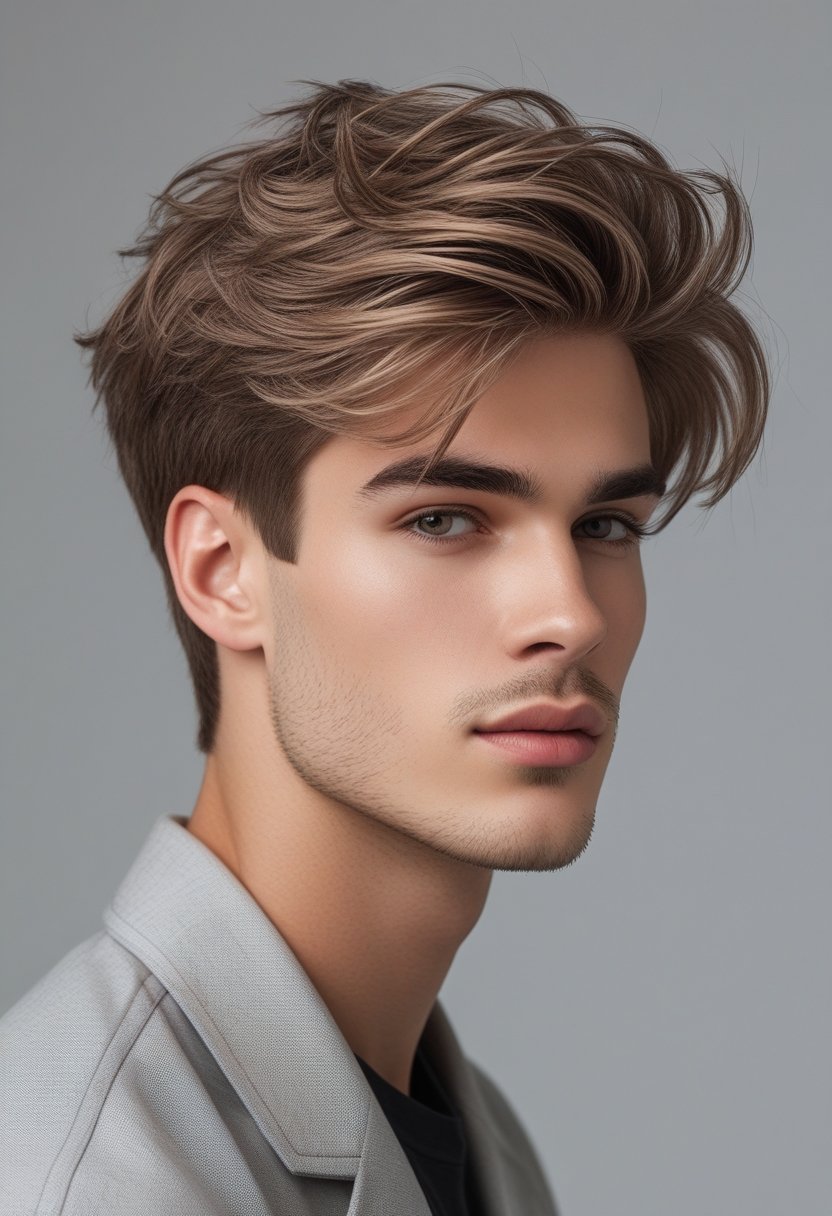
This haircut thrives on texture, movement, and a natural finish, so its care routine focuses on ease and enhancing layers. Proper product choice and subtle styling methods keep the style defined without weighing it down or requiring excessive effort.
Low-Maintenance Styling Routines
The modern shag benefits from minimal daily manipulation. After washing, air-drying or using a diffuser helps preserve natural waves and volume. Light scrunching can activate texture without creating stiffness.
Brushing is best avoided to maintain separation between layers. Instead, fingers or a wide-tooth comb gently detangle knots. This approach prevents flattening the cut’s feathered ends and face-framing layers.
Regular trims every 6 to 8 weeks keep the layers fresh without over-shaping. This timing preserves the shag’s natural flow and prevents split ends, especially important when the hair carries an ombre color that might be more fragile at the tips.
Recommended Styling Products and Tools
Texturizing sprays and sea salt mists are key for defining layers and supporting the cut’s tousled look. These products add grip and body, ideal for straight to wavy hair, without residue buildup.
A lightweight heat protectant is essential when using blow dryers or flat irons to avoid damage. It helps maintain shine and integrity, especially if the hair has undergone coloring treatments like balayage or ombre.
Tools like diffusers or low-heat blow dryers work best. Overusing high heat can compromise the soft, feathered ends and reduce natural movement. A wide-tooth comb supports gentle styling without disrupting texture.
Tips for Enhancing Definition and Shine
To boost shine and polish, a small amount of lightweight serum or oil applied to mid-lengths and ends works well. It seals cuticles and smooths frizz without making hair heavy.
For added definition, light layering of texturizing spray on dry hair emphasizes the shag’s natural separation. Avoid over-application to prevent stiffness.
Occasional deep conditioning treatments maintain moisture, especially important for color-treated or chemically lightened hair. Healthy strands reflect light better, supporting the modern shag’s relaxed yet polished appearance.
Contemporary Combinations and Trend Evolution
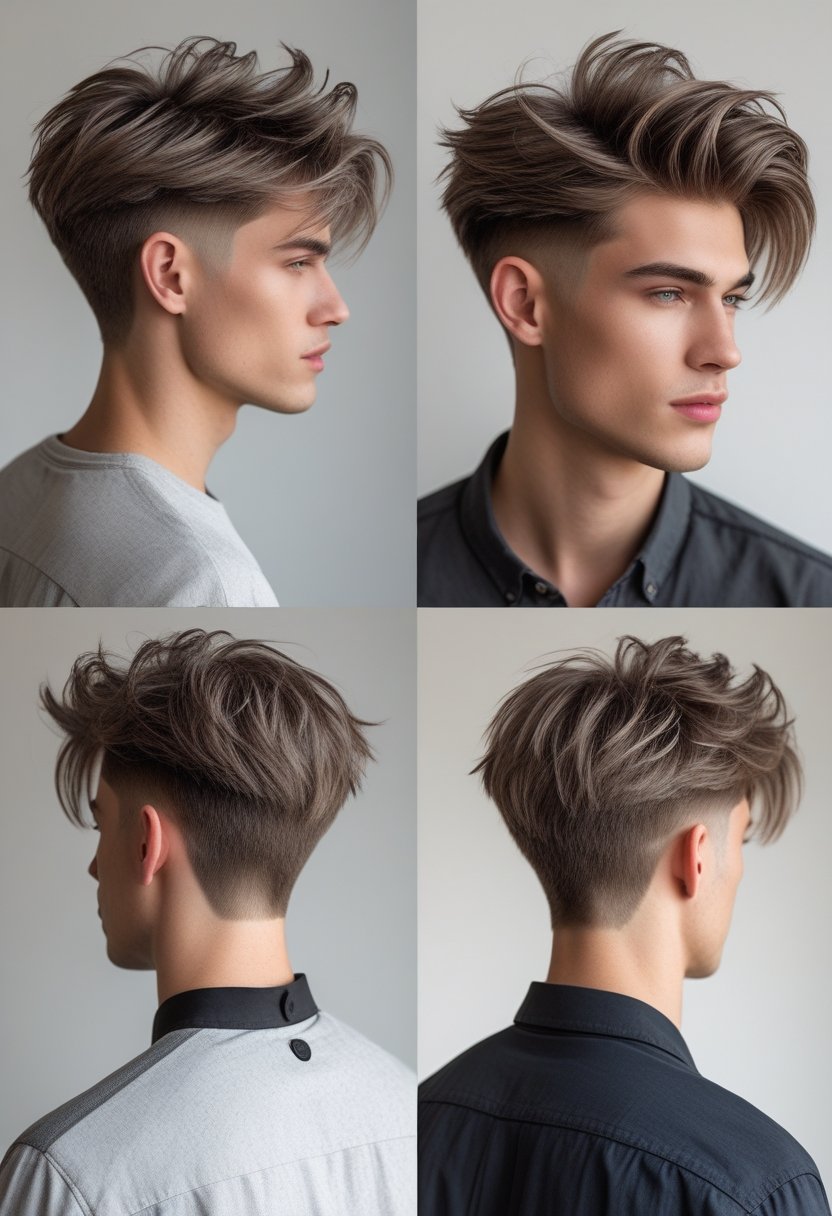
Modern shag haircuts now blend classic elements with bold new twists, allowing more personalized and dynamic styles. Layered textures and lengths fuse with updated color techniques and hybrid cuts, expanding what the shag can achieve in both form and function.
The Mullet Shag and Wolf Cut Fusion
The fusion of the mullet shag and wolf cut creates a distinctive haircut that emphasizes volume and texture. It combines the mullet’s longer back with the shag’s layered, feathered front and sides, offering an edgy yet adaptable look. This hybrid style maintains the shag’s softness while introducing the wolf cut’s structured choppiness.
This combination balances length and movement, appealing to those seeking a bold take on shag haircuts without sacrificing versatility. It works best on thick or wavy hair, where the layers enhance natural waves and create a rugged silhouette. Styling remains simple, often requiring only minimal product to accentuate texture.
Modern Color and Highlight Trends
Color plays a crucial role in refreshing the modern shag. Subtle highlights and lowlights add dimension and bring out the layers’ depth. Popular choices include balayage, soft blonde or caramel tones, and muted pastels for a contemporary effect.
Highlights placed strategically around the face amplify the shag’s framing layers, brightening and drawing attention to facial features. The blend of warm and cool hues creates contrast without harshness, maintaining a natural yet lively appearance. These coloring techniques also help the cut look more dynamic as it grows out.
Adapting the Shag for Personal Style
Adapting the shag to individual preferences involves modifying length, layering intensity, and texture to suit different hair types and lifestyles. For example, finer hair benefits from shorter layers for added volume, while coarser hair can embrace longer, chunkier cuts.
Personal style influences whether the shag leans more classic or avant-garde. Those wanting a sleek look often opt for smooth finishing, while others prefer tousled, messy styling to accentuate the cut’s raw edge. The shag’s adaptability makes it suitable for various occasions, from casual to formal, with minimal effort.