The Classic Tapered Haircut: A Go-To Men’s Style with Natural Flow and Volume
A classic tapered haircut offers a hairstyle that remains both timeless and modern, striking an ideal balance between natural flow and volume. It features longer layers on top paired with a soft taper around the sides and back, creating a look that is polished yet adaptable. This style suits various occasions, from casual outings to professional settings, while enhancing facial features with minimal styling effort.
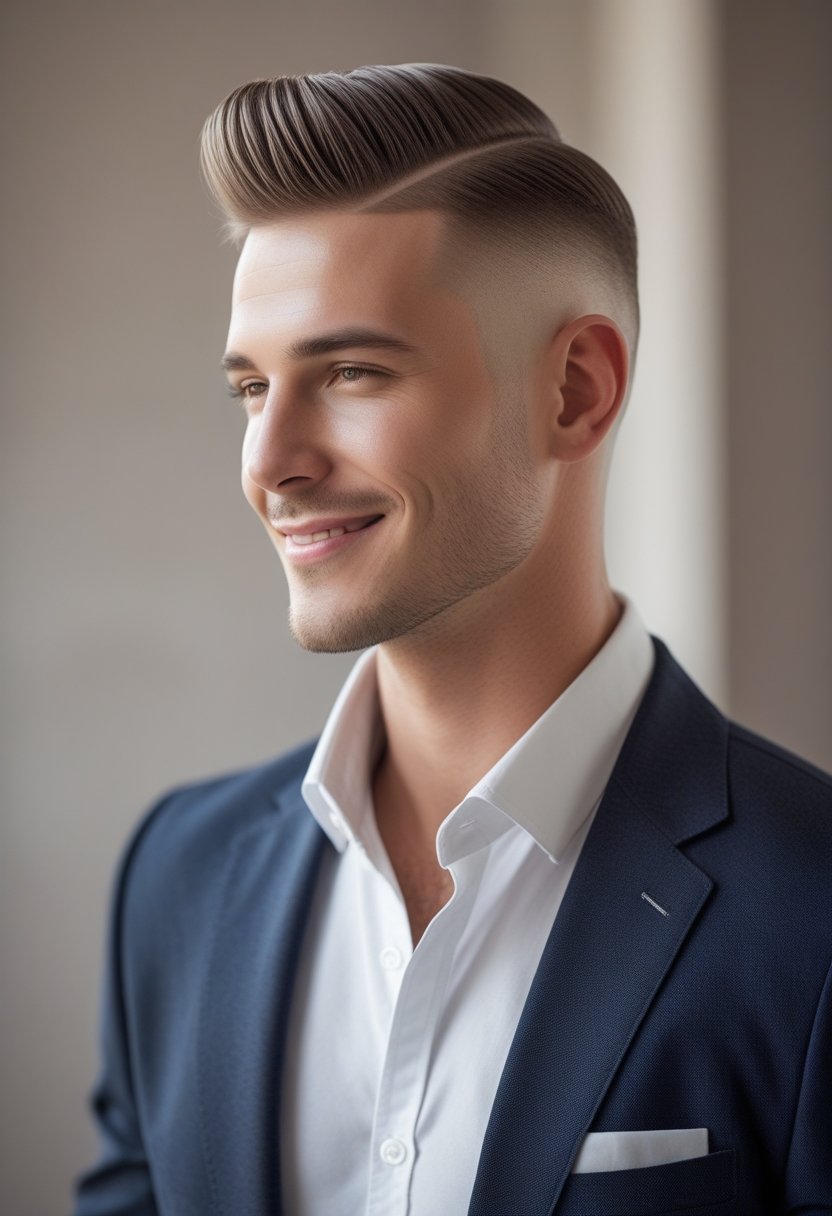
With its medium length, the taper allows for flexibility in styling, whether worn neat and structured or casually tousled. The tapered sides provide a clean and refined silhouette, making it an option that works for many hair types and face shapes.
This haircut serves as a strong foundation for those who want an effortless everyday look, as well as for men interested in experimenting with bolder styles. Its enduring appeal is rooted in its versatility and ease of maintenance, making it a practical choice for modern grooming.
What Makes the Classic Tapered Haircut Timeless and Modern?
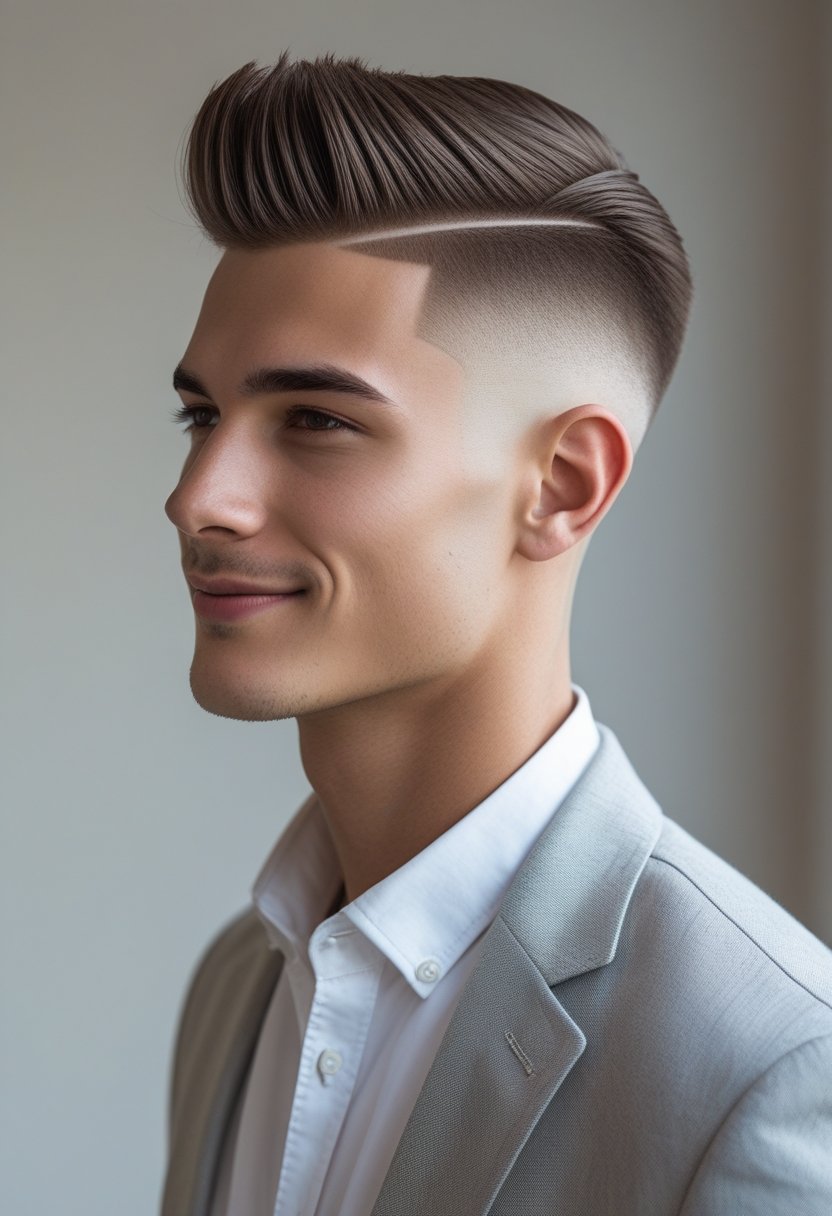
The classic tapered haircut combines clean structure with adaptable styling, balancing practical grooming with contemporary aesthetics. Its seamless length transition and natural volume support a range of appearances, from professional to casual. This blend of subtlety and definition distinguishes it among men’s haircuts today.
Understanding the Tapered Haircut
A tapered haircut is defined by hair that gradually shortens from the top toward the sides and back. Unlike abrupt fades or undercuts, the taper creates a smooth gradient without harsh lines or sudden changes in length. This technique offers a polished but understated look.
It works well with various hair textures, especially thick or coarse hair, as it maintains control and shape without bulk. The gradual decrease in length supports versatility, allowing easy shifts between styles like slicked-back or tousled.
This haircut’s adaptability also extends to face shapes, accommodating many by adjusting how high or low the taper begins.
Key Features: Natural Flow and Volume
The hallmark of a classic tapered haircut lies in its natural flow. Hair on top is left longer, which preserves volume and movement. This top length can be styled in different directions, enhancing the wearer’s desired look without feeling forced or rigid.
The sides and back are neatly tapered, which frames the face and neck while avoiding the stark contrast present in fade haircuts or undercuts. This soft gradient helps the style appear more balanced and timeless.
Because it avoids excessive layering or disconnects, the taper encourages texture without compromising the hairstyle’s structured appearance. Overall, it delivers volume where needed and a clean finish elsewhere.
Comparing Tapered Cuts With Other Styles
Compared to fade haircuts, tapered haircuts feature a more subtle transition in length. Rather than a dramatic drop to skin or very short hair, tapering decreases gradually which creates a natural blending effect.
Undercuts, by contrast, intentionally separate the top from very short or shaved sides, making a more striking statement. Tapers offer a softer, more conventional look that fits professional environments better.
In terms of maintenance, tapered haircuts generally require fewer frequent trims than fades or sharp undercuts, because the gradient grows out more gracefully. This makes the taper practical for those who prefer a low-maintenance, polished appearance.
Why the Classic Taper Remains Popular
The popularity of the classic taper stems from its versatility and ease of styling. It works well with many hair lengths and textures, providing a reliable base for both traditional and modern hairstyles.
Styling options include side parts, textured crops, or slicked-back looks, appealing to a broad range of personal preferences. It fits seamlessly into casual outings or formal settings, reflecting a balance of sophistication and simplicity.
Its enduring appeal is also linked to its flattering effect on various face shapes. By tailoring the taper’s height and intensity, barbers can enhance jawlines and facial symmetry, allowing it to remain a go-to among men’s haircuts.
Core Styling Elements of the Classic Tapered Haircut
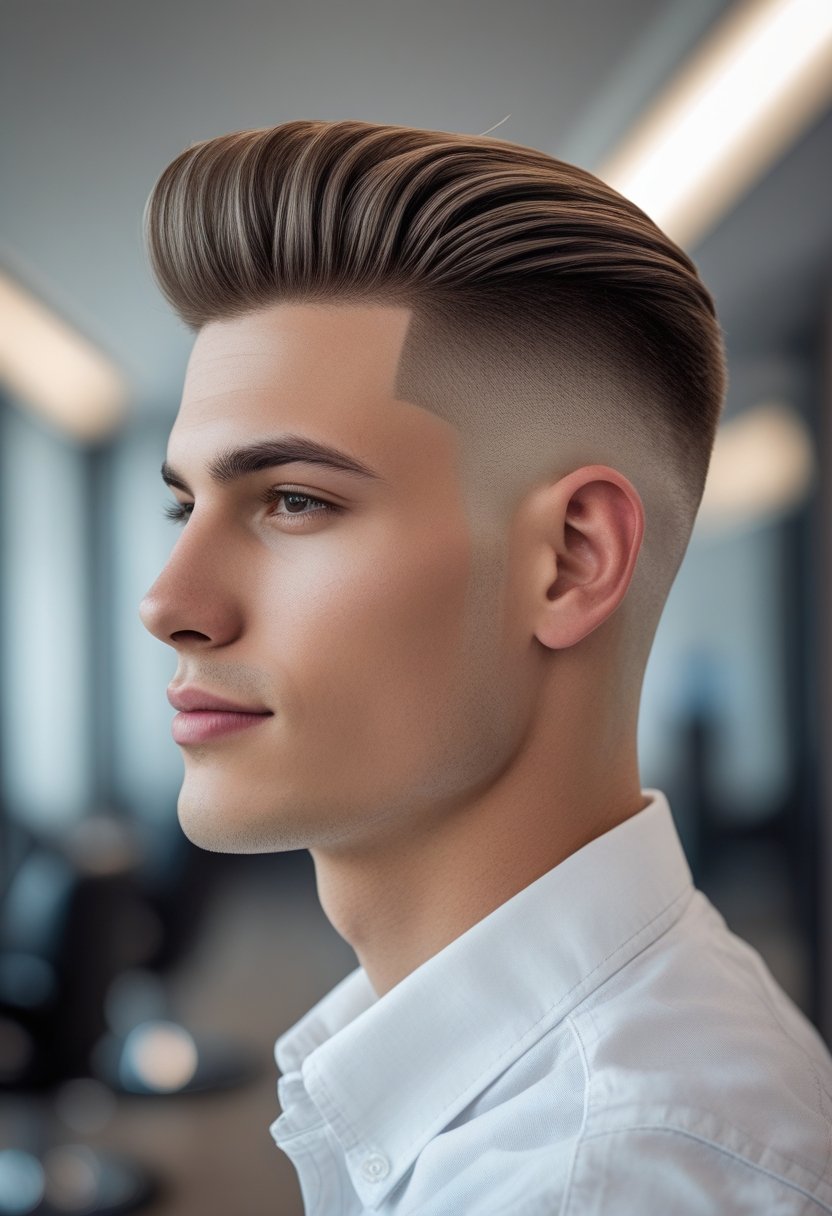
This style is defined by a few key features that work together to create a clean, adaptable look. The length and texture on top contrast with the closely tapered sides and back to enhance facial features and allow for varied styling options. Attention to how the fade height and taper blending are executed influences both maintenance and appearance.
Longer Layers on Top
The top section is left significantly longer than the sides to provide volume and natural movement. This length accommodates various styling choices, such as a classic quiff, bro flow, or a textured top that emphasizes natural hair patterns. For men with curly hair, the top can be styled as a curly taper fade, maintaining curl definition while keeping the silhouette neat.
This contrast between length and texture allows the wearer to switch between sleek, slicked-back looks or loose, casual styles with minimal effort. Maintaining longer layers on top also requires regular trimming to prevent the style from becoming unkempt, especially when creating height or volume.
Soft Taper Around the Sides and Back
The hallmark of this haircut lies in its gradual taper, inviting variations like a low fade, high taper fade, or even a skin fade depending on the desired sharpness. The taper seamlessly blends the hair from the longer top down to shorter sides, eliminating harsh lines and creating a polished, refined finish.
A soft taper prevents the cut from looking too harsh or abrupt while framing the head’s natural shape. Proper tapering is also key in managing hairline appearance and reducing bulk, beneficial for those with thick or coarse hair. The taper should maintain clean edges around the neckline and ears, reinforcing the haircut’s structured appeal.
Balancing Versatility and Polish
The classic tapered haircut’s design balances ease of styling with a sophisticated appearance suitable for both casual and professional environments. Its versatility stems from aesthetic simplicity combined with functional elements, letting wearers customize their look daily.
Styling products like matte pomades or light creams enhance the natural texture on the top without weighing it down. The haircut offers a solid base for contemporary adaptations, such as pairing a slick fade with a modern textured top, or adjusting the fade height for a bolder or softer profile. This adaptability makes it ideal for men seeking a timeless style with room for personal expression.
Popular Variations and Adaptations
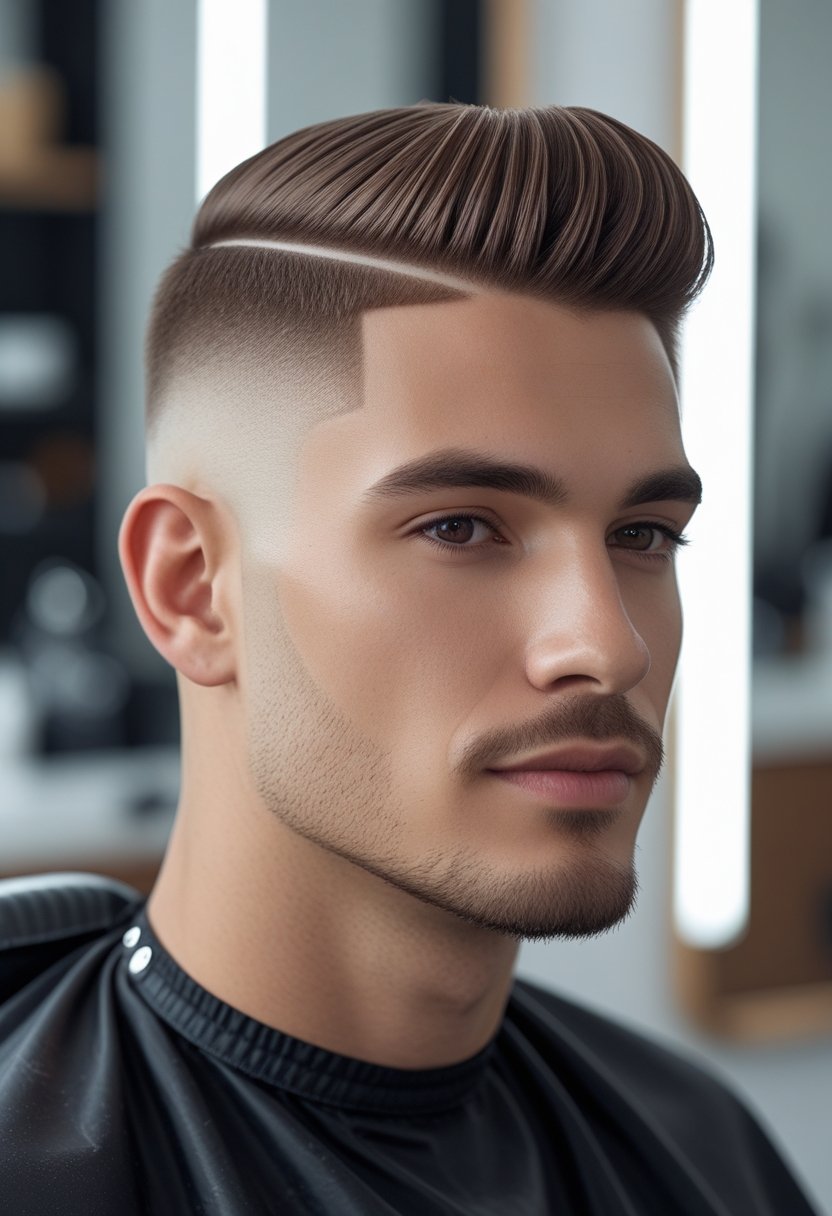
The tapered haircut offers multiple styling options to suit different hair types and personal preferences. Adaptations range from varying fade heights to embracing natural curls or adding texture and volume through classic shapes.
Low Taper Fade and High Taper Fade
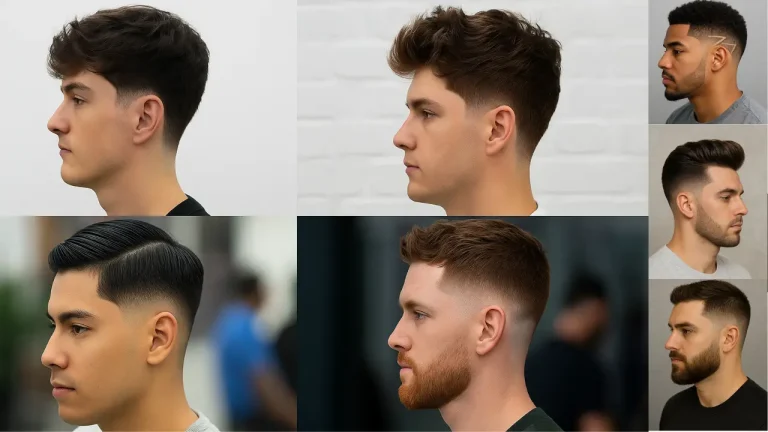
The low taper fade keeps the fade line close to the hairline, creating a subtle transition from longer hair on top to shorter sides. This style is ideal for men seeking a neat, understated look without losing too much length on the sides. It works well in both casual and formal settings.
The high taper fade, in contrast, starts the fade higher on the head, offering a bolder, more defined contrast between the top and the sides. This sharper fade emphasizes facial features and adds a structured edge to the classic taper. Both fade types can be paired with short or medium-length hair on top for flexibility.
Tapered Styles for Curly Hair
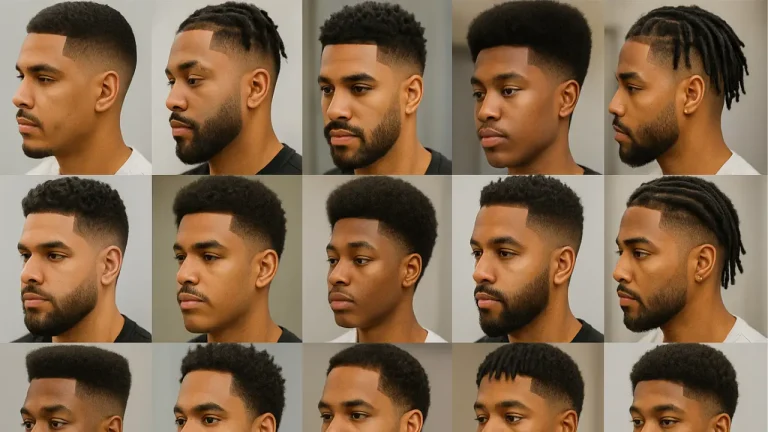
Curly hair benefits from a tapered haircut by maintaining volume on top while reducing bulk on the sides and back. The curly taper fade accentuates natural curl patterns and keeps hair manageable.
This variation prevents curls from becoming too heavy, helping maintain a clean silhouette. It requires regular trimming to avoid unevenness and to preserve the fade’s definition. Moisturizing and curl-friendly styling products complement the tapered cut, enhancing texture without sacrificing shape.
Textured Crop, Side Part, and Pompadour
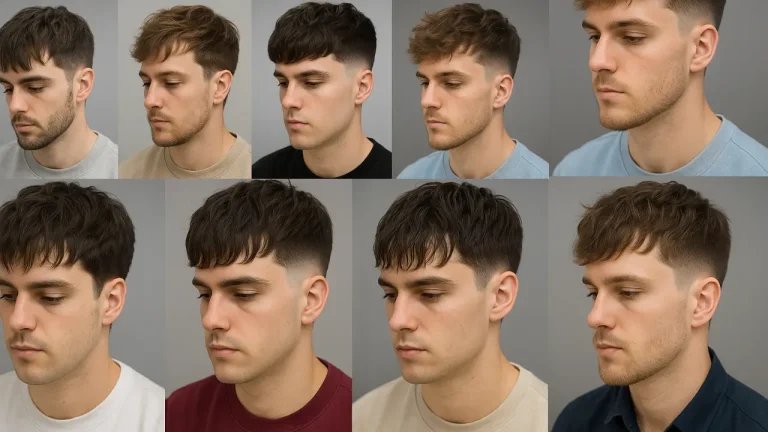
The textured crop adds depth by incorporating choppy layers and a slightly messy top, offering a modern twist on the taper. This cut supports quick styling and works well for men who prefer a casual, lived-in look.
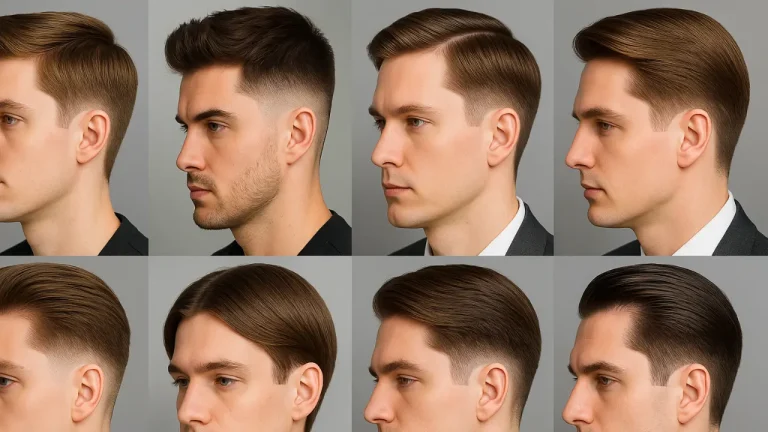
The side part creates a controlled, polished appearance by combining a sharp part with tapered sides. It suits professional settings and pairs easily with slicked-back or brushed-down styles.
The pompadour variation emphasizes volume and height on top, contrasting with closely tapered sides. It can be styled sleek or textured, often paired with a slicked-back undercut for a more dramatic, refined finish. Regular maintenance is essential to keep the shape sharp and the fade seamless.
Choosing the Right Tapered Haircut for Your Face and Lifestyle
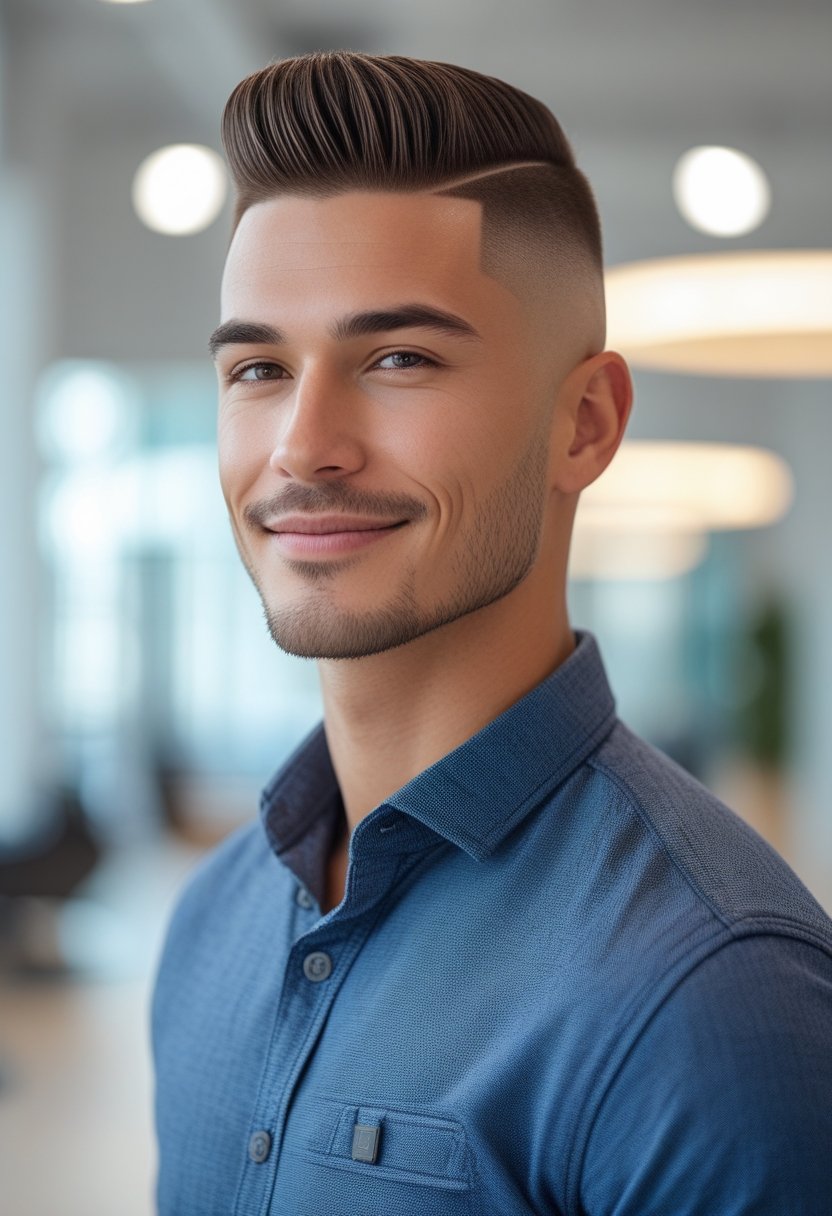
Selecting a tapered haircut that suits both face shape and lifestyle helps achieve a polished look with minimal effort. Attention to facial structure, hair texture, and daily routines ensures the cut is flattering and practical. This approach optimizes the balance between style and manageability.
How Face Shape Influences the Taper
Different face shapes benefit from specific taper styles. For example, a square face pairs well with a soft taper that balances strong jawlines, while an oval face can carry more dramatic tapers like the high tapered or ivy league cut.
Round faces often benefit from cuts like the crew cut or caesar cut that add angles and lengthen the face visually. Oblong and diamond shapes should avoid excessive height on top, opting instead for moderate volume with clean side tapers.
Understanding these nuances allows a tapered haircut to enhance natural features rather than overpower them. It also helps maintain proportion and symmetry.
Adapting to Hair Texture and Density
Hair texture and density dictate which tapered haircut works best. Thick hair suits layered tapers that reduce bulk while maintaining volume, ideal for versatile looks like the ivy league cut.
Fine or thin hair may benefit from shorter tapers like the buzz cut or crew cut, which add sharp definition without requiring heavy styling. Wavy or curly hair requires a tailored taper to control shape and avoid frizz.
Styling products and men’s grooming routines can further customize the taper, balancing natural flow with control according to hair characteristics.
Best Settings: Casual, Business, and Trendy
Tapered haircuts adapt well across settings. For casual wear, cuts such as the caesar or low tapered styles provide a relaxed yet groomed appearance. These look effortless without frequent touch-ups.
Business environments favor classic styles like the ivy league cut or medium taper, projecting professionalism with low maintenance. These cuts frame the face neatly and work well with formal attire.
For trend-focused men, sharper tapers or high fades paired with textured tops offer a modern edge. This includes variations of the crew cut or tapered undercuts styled with pomades or matte products, combining style with practicality.
Essential Maintenance and Styling Tips
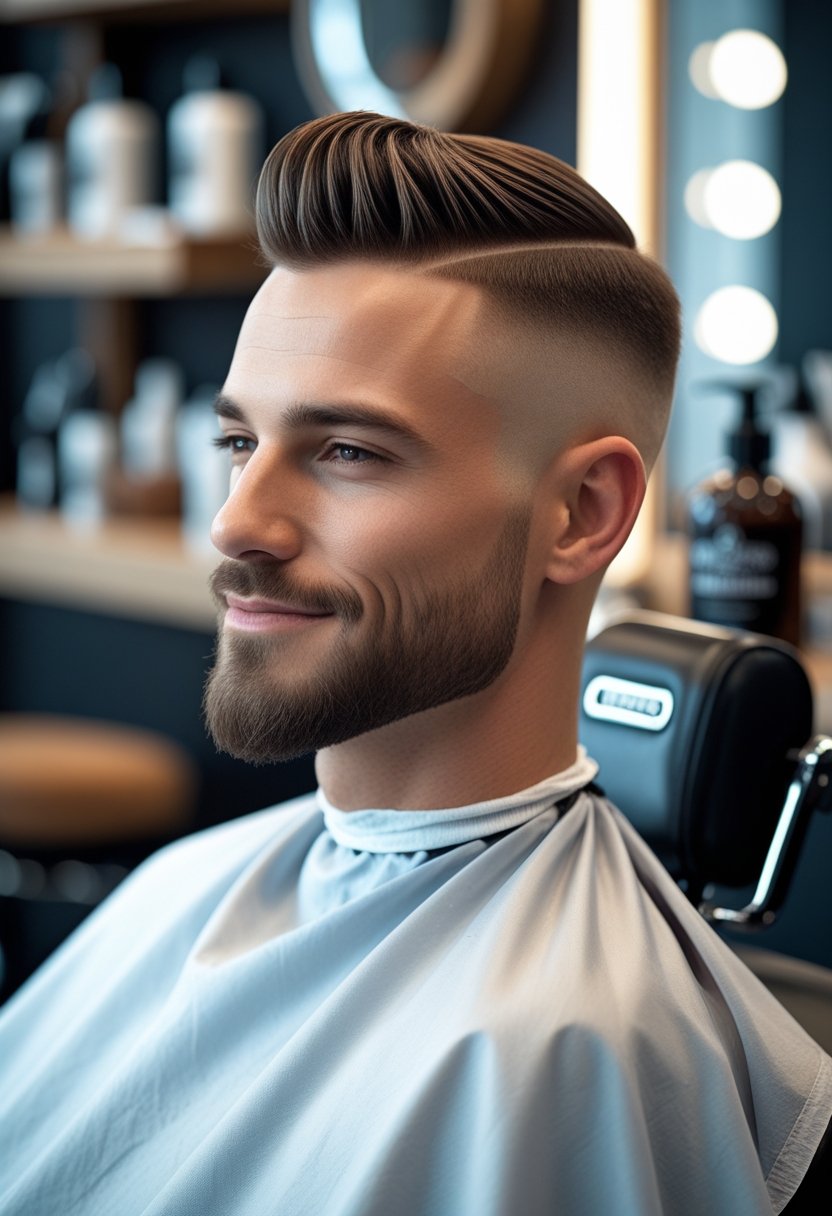
Maintaining a classic tapered cut requires consistent care to preserve its clean shape and natural volume. Proper daily habits, suitable styling routines, and the right products all contribute to keeping the hairstyle sharp and manageable.
Daily Upkeep for Tapered Cuts
Regular washing with a mild shampoo prevents buildup without stripping natural oils. Using a leave-in conditioner helps maintain moisture and softness, especially for thicker or textured hair.
Trimming every 3 to 4 weeks keeps the taper neat and the length balanced. This avoids a bulky or uneven appearance on the sides and back.
Brushing with a wide-tooth comb or fingers encourages a natural flow and distributes oils evenly. Avoid heavy over-brushing to prevent frizz or loss of volume.
Easy Styling Routines for Natural Flow
For effortless styling, start with damp hair and apply a small amount of volumizing mousse or texturizing spray at the roots to boost lift and movement.
To enhance natural waves or curls, using a curl-enhancing cream can define texture without stiffness. Light scrunching with hands helps maintain softness.
For a polished look, a dab of styling cream or Suavecito Pomade can create a controlled hold with subtle shine. Use sparingly to avoid heaviness.
In warmer weather, a mist of sea salt spray adds texture and a casual finish, ideal for daytime events. Dry hair naturally or with a diffuser to keep volume intact.
Recommended Hair Products
Choosing the right products depends on hair type and desired finish. Pomades and strong-hold gels provide structure for sharper styles but can weigh down fine hair if overused.
Styling powder is effective for adding volume and grip without residue. It works well for men who want texture without shine.
For soft, flexible hold, styling creams and curl-enhancing creams maintain natural movement while controlling frizz. These are best for medium to thick hair types.
Always apply products in small amounts and build up if needed. This approach prevents product overload, keeping the taper looking fresh and natural throughout the day.
Classic Tapered Haircut Inspiration for 2025
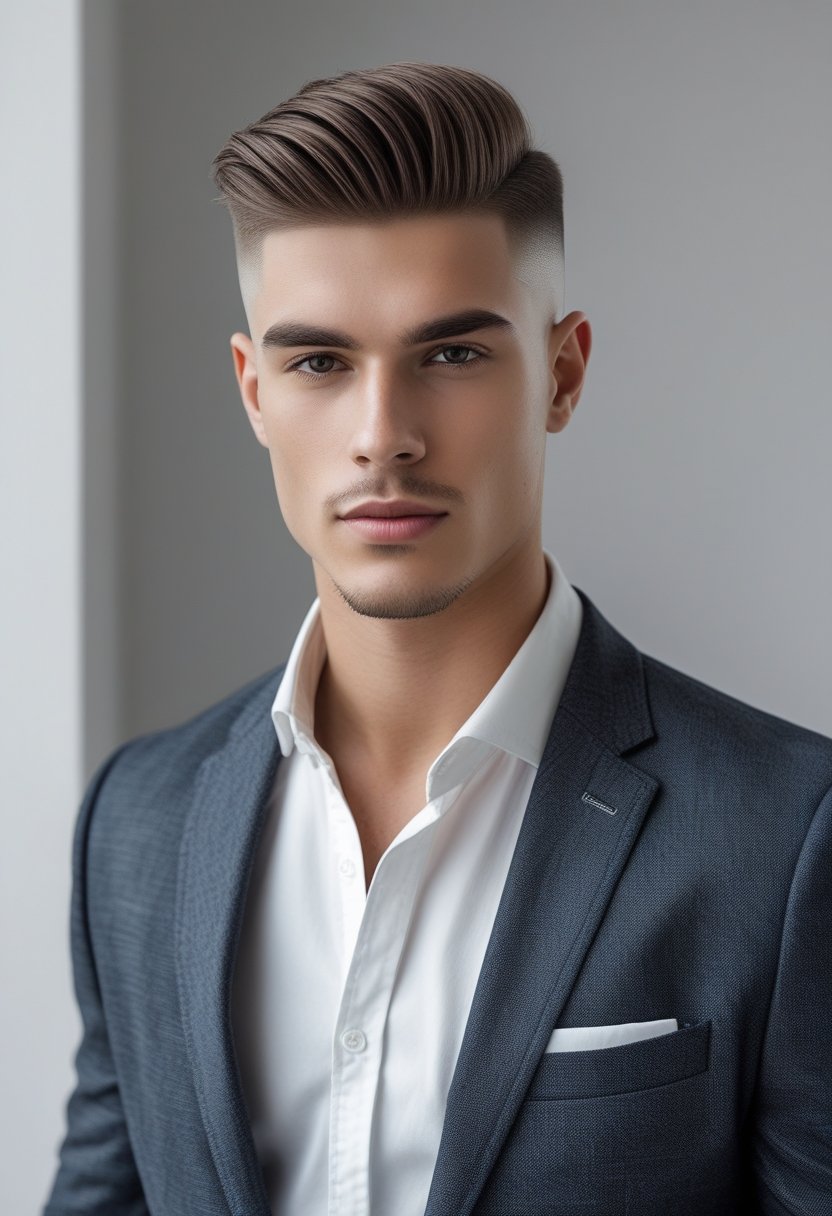
The classic tapered haircut continues to evolve, blending tradition with modern flair. It suits a range of hair types, from short haircuts to voluminous curls, and fits multiple lifestyle needs. This style emphasizes natural texture while providing clean structure.
Modern Interpretations
In 2025, modern tapered haircuts often feature airbrushed fades that create a seamless gradient from the longer top to the shorter sides and back. These fades emphasize volume on top, allowing texture to stand out whether hair is styled sleek or tousled.
Men are also incorporating subtle textures like voluminous curls or finger waves into the taper, adding individuality without sacrificing polish. This approach works well with medium-length hairstyles, granting a fresh yet practical look ideal for professional or casual occasions.
Timeless Styles for Today
The enduring appeal of the classic taper lies in its versatility and ability to enhance facial features. Traditional tapered cuts maintain longer layers on top with a gradual, soft taper along the sides and neckline.
This style adapts well for men seeking an effortless, low-maintenance option. It successfully balances neatness with natural flow, making it suitable across age groups and hair types, especially men who prefer short haircuts that don’t require daily complex styling.
Celebrity and Social Media Trends
Celebrities and influencers have made tapered haircuts a staple in 2025, often showcasing a mix of slicked-back finishes or textured pompadour fades. Social media highlights variations with bold shaved designs integrated into the tapered sides for a contemporary edge.
These trends encourage experimentation while maintaining the core principle of tapering—the gradual transition of lengths. Such visibility boosts the popularity of tapered hairstyles for men, inspiring looks that blend classic grooming with modern personality.